
Kay Szymanski | Oct. 9, 2024Say someone dies and leaves behind land without a will or other legal document. Sometimes, things can get, well, a little "cloudy." That's what a clouded property title.

Dated: March 26 2025
Views: 2698
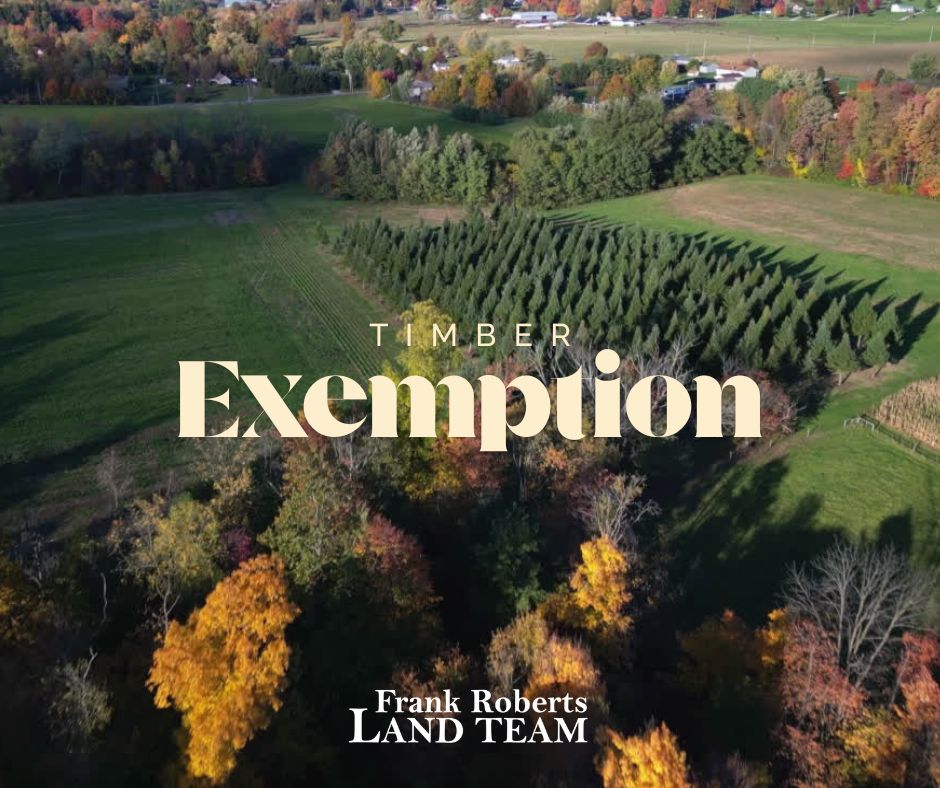
Timber Exemption
If you own timberland in Texas, you could be eligible for significant property tax savings through timber exemptions. This guide will help you understand what a timber exemption is, the types available, how to qualify, and how to maintain it, including examples of eligible activities.
A Timber Exemption, also known as a timberland appraisal, allows landowners to have their property taxed based on its ability to produce timber rather than its market value. This type of exemption can result in substantial property tax savings, encouraging the sustainable management and conservation of forested lands.
Texas offers two primary types of timber exemptions:
Productivity Appraisal for Timberland (1-d-1)
Reforestation Incentive (Tax Code Section 23.9804)
To qualify for this exemption, your land must meet the following criteria:
Primary Use: The land must be primarily used for the production of timber.
Minimum Acreage: The property must meet the minimum size requirements set by the county (often at least 10 acres).
History of Use: The land must have been used for timber production for at least five of the past seven years.
Degree of Intensity: The land must be used to a degree of intensity that is typical for timberland in the area.
This incentive encourages landowners to reforest their land by offering a tax reduction. To qualify, you must:
Reforestation: Plant trees on land that has been clear-cut or otherwise lacks sufficient tree cover.
Compliance: Follow specific reforestation guidelines and practices as outlined by the Texas Forest Service.
To help you understand the kinds of activities that qualify for the Timber Exemption, here are some common examples:
Tree Planting: Planting seedlings or saplings to establish new forest areas or reforest harvested areas.
Thinning: Removing certain trees to reduce competition for resources and promote the growth of remaining trees.
Controlled Burns: Conducting prescribed burns to manage forest health, reduce underbrush, and prevent wildfires.
Pest Management: Implementing measures to control pests and diseases that threaten timber health, such as beetle infestations.
Timber Harvesting: Conducting sustainable logging operations, including clear-cutting, selective cutting, or shelterwood cutting.
Soil and Water Conservation: Building terraces, establishing buffer zones, and managing erosion to protect soil and water quality.
Wildlife Habitat Management: Enhancing habitats within timberland to support biodiversity and wildlife populations.
Application Form: Obtain and complete the timberland productivity appraisal application from your county appraisal district.
Documentation: Provide evidence of timber production, such as management plans, timber sale receipts, or photographs.
Deadline: Submit the application by April 30th each year.
Approval: The county appraisal district will review your application and may conduct a site visit to verify eligibility.
Plan: Develop a reforestation plan that complies with Texas Forest Service guidelines.
Application Form: Obtain and complete the reforestation incentive application from your county appraisal district.
Documentation: Provide evidence of reforestation activities, such as planting records, receipts for seedlings, and photographs.
Deadline: Submit the application by the specified deadline (usually April 30th).
Approval: The county appraisal district and Texas Forest Service will review your application and may conduct a site visit to verify compliance.
To maintain your timber exemption, you must continue to use the land primarily for timber production or adhere to your reforestation plan. Here are some tips:
Ongoing Management: Implement sustainable forestry practices, such as thinning, controlled burns, and pest management.
Record Keeping: Maintain detailed records of all timber-related activities and expenses.
Annual Updates: Some counties may require annual updates or verification to ensure continued compliance.
Reduced Property Taxes: By taxing the land based on its productive value rather than market value, you can significantly lower your property tax bill.
Conservation Support: Encourages the sustainable management and conservation of forested lands.
Economic Incentive: Provides financial incentives to maintain and improve timber production on your property.
The Timber Exemption is a valuable tool for landowners in Texas who are involved in timber production. By understanding the eligibility requirements and maintaining proper management practices, you can enjoy substantial tax savings while contributing to the conservation and sustainable use of forest resources.
For more information and to begin the application process, contact your county appraisal district or visit the Texas Forest Service website. Embrace the opportunity to make a positive impact on your timberland and enjoy the financial benefits of the Timber Exemption!

Frank Roberts is a uniquely trained Broker Associate who specializes in the listing and sales of land in East Texas near the Dallas-Ft. Worth area. Located only 30 miles east of Dallas, he consistentl....
Kay Szymanski | Oct. 9, 2024Say someone dies and leaves behind land without a will or other legal document. Sometimes, things can get, well, a little "cloudy." That's what a clouded property title.
ETJ Texas ExplainedIf you're buying land, developing property, or investing in commercial real estate in Texas, you've probably heard the term ETJ.For many landowners, ETJ status can
When purchasing land, most buyers focus on location, acreage, price, and views. While those are certainly important, one of the most critical factors is often overlooked until it's too late: Where
Is Summer the Best Time to Buy Land in Texas?When it comes to purchasing land, timing can play an important role in finding the right property. While many buyers focus their search during the,
 © 2026 North Texas Real Estate Information Systems, Inc. All rights reserved. Disclaimer: All information deemed reliable but not guaranteed and should be independently verified. All properties are subject to prior sale, change or withdrawal. Neither listing broker(s) nor Frank Roberts Land Team shall be responsible for any typographical errors, misinformation, misprints and shall be held totally harmless. The database information herein is provided from and copyrighted by the North Texas Real
Estate Information Systems, Inc. NTREIS data may not be reproduced or redistributed and is only for people viewing this site. All information provided is deemed reliable but is not guaranteed and should be independently verified. The advertisements herein are merely indications to bid and are not offers to sell which may be accepted. All properties are subject to prior sale or withdrawal. All rights are reserved by copyright.
Data last updated: September 16, 2026 5:23 PM UTC
Show More...
© 2026 North Texas Real Estate Information Systems, Inc. All rights reserved. Disclaimer: All information deemed reliable but not guaranteed and should be independently verified. All properties are subject to prior sale, change or withdrawal. Neither listing broker(s) nor Frank Roberts Land Team shall be responsible for any typographical errors, misinformation, misprints and shall be held totally harmless. The database information herein is provided from and copyrighted by the North Texas Real
Estate Information Systems, Inc. NTREIS data may not be reproduced or redistributed and is only for people viewing this site. All information provided is deemed reliable but is not guaranteed and should be independently verified. The advertisements herein are merely indications to bid and are not offers to sell which may be accepted. All properties are subject to prior sale or withdrawal. All rights are reserved by copyright.
Data last updated: September 16, 2026 5:23 PM UTC
Show More...
