
Kay Szymanski | Oct. 9, 2024Say someone dies and leaves behind land without a will or other legal document. Sometimes, things can get, well, a little "cloudy." That's what a clouded property title.
Dated: November 4 2025
Views: 313
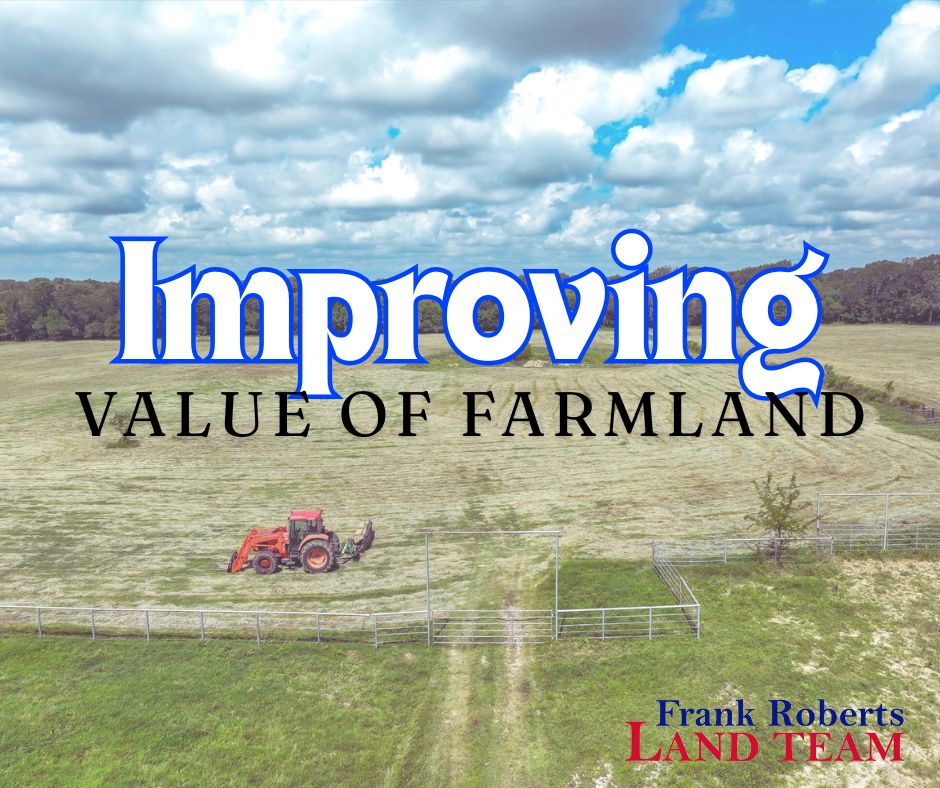
Enhancing the value of farmland can be achieved through various strategies that boost productivity, sustainability, and marketability. Here are some effective ways to improve the value of your farmland:
Soil Testing: Conduct regular soil tests to determine nutrient levels and pH balance. Use the results to amend the soil with the right fertilizers and lime to optimize fertility and pH.
Organic Matter: Increase organic matter by incorporating compost, cover crops, and manure. Organic matter improves soil structure, enhances water retention, and boosts nutrient availability, leading to healthier crops.
Crop Rotation: Practice crop rotation to prevent soil depletion, reduce pest and disease pressure, and improve soil health. Rotating crops can also help manage weed populations and improve yields.
Irrigation Systems: Invest in efficient irrigation systems such as drip or pivot irrigation to ensure a consistent water supply and reduce water wastage. Proper irrigation can improve crop yields and reduce the risk of drought stress.
Drainage: Implement proper drainage systems to prevent waterlogging and soil erosion, which can negatively impact crop yields and soil health. Good drainage helps maintain optimal soil conditions for plant growth.
Water Conservation: Use mulching, cover crops, and other water conservation techniques to retain soil moisture and reduce irrigation needs. These practices can improve soil health and reduce water costs.
Conservation Tillage: Reduce tillage to maintain soil structure and reduce erosion. No-till or minimum-till farming can enhance soil health, conserve moisture, and reduce labor and fuel costs.
Integrated Pest Management (IPM): Implement IPM strategies to manage pests and diseases using biological controls, crop rotation, and selective pesticide use. IPM can reduce pesticide costs and minimize environmental impact.
Biodiversity: Promote biodiversity by planting hedgerows, maintaining natural habitats, and encouraging beneficial insects and wildlife. Biodiversity can improve pest control, pollination, and ecosystem health.
Fencing: Install or repair fencing to manage livestock, protect crops, and define property boundaries. Good fencing can prevent livestock from damaging crops and improve farm security.
Storage Facilities: Build or upgrade storage facilities for crops, feed, and equipment. Proper storage can reduce losses, improve product quality, and enhance farm efficiency.
Access Roads: Maintain or improve access roads to facilitate the transportation of goods and machinery. Good roads can reduce transportation costs and improve market access.
Precision Agriculture: Use GPS, drones, and other precision agriculture technologies to monitor crop health, manage fields efficiently, and optimize inputs. Precision agriculture can improve yields, reduce costs, and enhance environmental sustainability.
Farm Management Software: Adopt farm management software to track operations, manage resources, and analyze data for better decision-making. Software can improve record-keeping, enhance productivity, and streamline farm management.
Automation: Invest in automated equipment and machinery to improve efficiency and reduce labor costs. Automation can increase productivity, reduce manual labor, and enhance farm profitability.
Crop Diversification: Grow a variety of crops to spread risk and increase market opportunities. Consider high-value specialty crops, organic produce, or niche markets to enhance farm income.
Livestock Integration: Integrate livestock into your farming operation to diversify income and improve soil health through natural fertilization. Livestock can provide additional revenue streams and enhance farm sustainability.
Agri-Tourism: Develop agri-tourism activities such as farm tours, pick-your-own produce, or farm stays to generate additional revenue. Agri-tourism can improve farm profitability and connect consumers with agriculture.
Landscape Maintenance: Maintain clean and well-kept fields, fence lines, and farm buildings. This enhances the overall appearance and appeal of the property, making it more attractive to buyers and investors.
Conservation Practices: Implement conservation practices such as tree planting, wetland restoration, and erosion control to improve the environmental value of the land. Conservation practices can enhance farm sustainability and attract conservation-minded buyers.
Marketing: Develop a strong marketing strategy to promote your farm’s products and values. Use social media, farm websites, and local markets to reach a wider audience and build a loyal customer base.
Continuous Learning: Stay updated on the latest farming techniques, technologies, and market trends. Attend workshops, join farming associations, and network with other farmers to gain new insights and improve your farm management skills.
Professional Advice: Consult with agricultural extension services, agronomists, and other professionals to get expert advice on improving farm practices and productivity. Professional guidance can help you make informed decisions and enhance farm profitability.
Improving the value of farmland involves a combination of enhancing soil health, adopting sustainable practices, investing in infrastructure, implementing modern technology, diversifying income streams, and improving the land's aesthetics and marketability. By focusing on these areas, you can boost the productivity, sustainability, and overall value of your farmland.
For personalized advice and professional services related to farmland management and improvement, contact our team today!
#FarmlandValue #SustainableFarming #AgricultureTips #FarmManagement #LandInvestment
Feel free to share your experiences and tips on improving farmland value in the comments below!

Frank Roberts is a uniquely trained Broker Associate who specializes in the listing and sales of land in East Texas near the Dallas-Ft. Worth area. Located only 30 miles east of Dallas, he consistentl....
Kay Szymanski | Oct. 9, 2024Say someone dies and leaves behind land without a will or other legal document. Sometimes, things can get, well, a little "cloudy." That's what a clouded property title.
ETJ Texas ExplainedIf you're buying land, developing property, or investing in commercial real estate in Texas, you've probably heard the term ETJ.For many landowners, ETJ status can
When purchasing land, most buyers focus on location, acreage, price, and views. While those are certainly important, one of the most critical factors is often overlooked until it's too late: Where
Is Summer the Best Time to Buy Land in Texas?When it comes to purchasing land, timing can play an important role in finding the right property. While many buyers focus their search during the,
 © 2026 North Texas Real Estate Information Systems, Inc. All rights reserved. Disclaimer: All information deemed reliable but not guaranteed and should be independently verified. All properties are subject to prior sale, change or withdrawal. Neither listing broker(s) nor Frank Roberts Land Team shall be responsible for any typographical errors, misinformation, misprints and shall be held totally harmless. The database information herein is provided from and copyrighted by the North Texas Real
Estate Information Systems, Inc. NTREIS data may not be reproduced or redistributed and is only for people viewing this site. All information provided is deemed reliable but is not guaranteed and should be independently verified. The advertisements herein are merely indications to bid and are not offers to sell which may be accepted. All properties are subject to prior sale or withdrawal. All rights are reserved by copyright.
Data last updated: September 16, 2026 5:23 PM UTC
Show More...
© 2026 North Texas Real Estate Information Systems, Inc. All rights reserved. Disclaimer: All information deemed reliable but not guaranteed and should be independently verified. All properties are subject to prior sale, change or withdrawal. Neither listing broker(s) nor Frank Roberts Land Team shall be responsible for any typographical errors, misinformation, misprints and shall be held totally harmless. The database information herein is provided from and copyrighted by the North Texas Real
Estate Information Systems, Inc. NTREIS data may not be reproduced or redistributed and is only for people viewing this site. All information provided is deemed reliable but is not guaranteed and should be independently verified. The advertisements herein are merely indications to bid and are not offers to sell which may be accepted. All properties are subject to prior sale or withdrawal. All rights are reserved by copyright.
Data last updated: September 16, 2026 5:23 PM UTC
Show More...
