
Kay Szymanski | Oct. 9, 2024Say someone dies and leaves behind land without a will or other legal document. Sometimes, things can get, well, a little "cloudy." That's what a clouded property title.
Dated: May 5 2026
Views: 92
A Practical Guide for Landowners in a Rapidly Growing Region
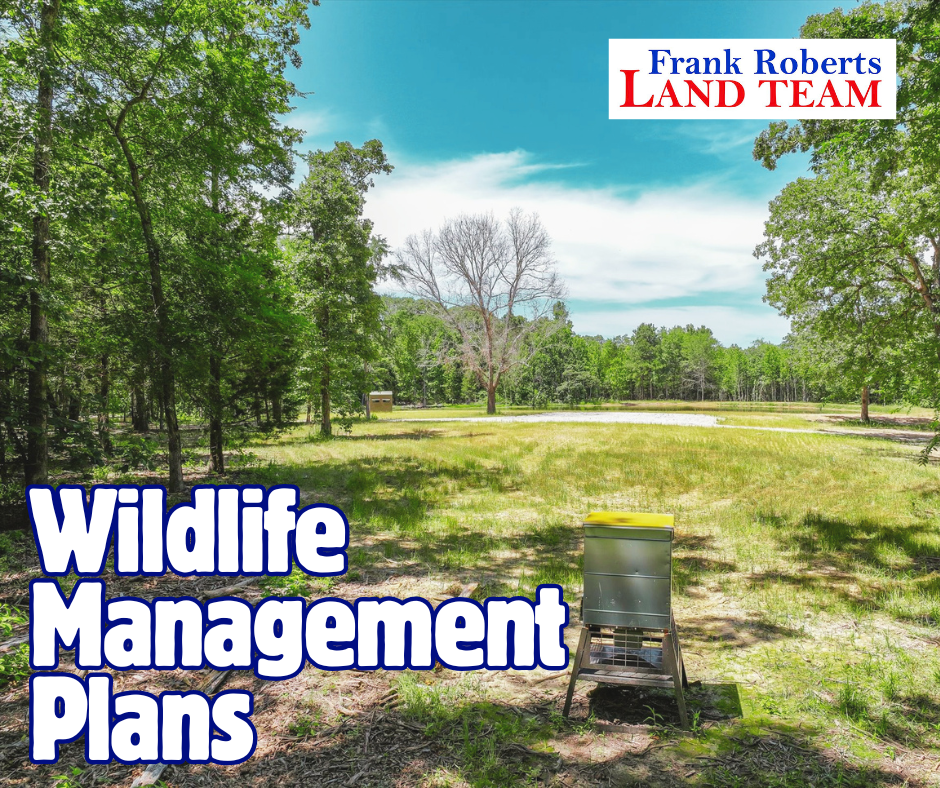
East Texas offers some of the most diverse and productive wildlife habitat in the state. With a mix of rolling pasture, hardwood timber, creeks, and ponds, landowners in areas like Terrell, Wills Point, and across Kaufman County have a unique opportunity to create exceptional wildlife environments—while also increasing the long-term value of their land.
Whether your goal is better hunting, improved habitat, or simply enjoying your property, a well-executed wildlife management plan is one of the smartest investments you can make.
In East Texas, most landowners fall into a few categories:
Recreational buyers wanting deer and hog hunting
Ranch owners balancing cattle and wildlife
Investors improving land for future resale
Families building a long-term legacy property
Define what success looks like for your property. That decision drives everything else.
Unlike West Texas, East Texas properties typically feature:
Sandy to loamy soils
Native grasses mixed with improved pasture
Heavy hardwoods (oak, hickory) and some pine
Abundant surface water (ponds, creeks)
High wildlife density
Walk your property and identify:
Bedding areas in thick timber
Travel corridors along tree lines and creeks
Open areas suitable for food plots
Existing water sources
Trail cameras are especially effective in this region due to dense cover.
East Texas supports strong deer populations, but nutrition is often the limiting factor.
Best options include:
Fall plots: wheat, oats, clover
Spring/summer: legumes, peas, protein blends
Native browse management (don’t over-clear!)
Well-placed food plots can dramatically increase wildlife activity and visibility.
Most properties already benefit from:
Stock ponds
Seasonal creeks
Drainage areas
Your job is maintenance:
Keep ponds clean and functional
Consider adding small troughs or catchments in dry areas
East Texas naturally provides excellent cover—but too much can actually hurt visibility and movement.
Improve it by:
Creating edges between woods and pasture
Selectively clearing underbrush
Leaving thick bedding zones undisturbed
The goal is balance—not clearing everything.
Many East Texas properties run cattle, which can either help or hurt wildlife.
Best practices:
Rotate grazing to prevent overuse
Protect food plots from livestock
Maintain native grasses where possible
Proper grazing management improves both herd health and wildlife habitat.
East Texas wildlife is abundant—but also sensitive to pressure.
Limit over-hunting smaller tracts
Be strategic with stand placement and wind direction
Focus on consistency rather than intensity
Consider neighbors and surrounding hunting pressure
A disciplined approach produces better long-term results.
In today’s market—especially in fast-growing areas east of Dallas—buyers are placing a premium on:
Recreational-ready properties
Land with established wildlife activity
Properties with ponds, trails, and food plots
Turnkey hunting or weekend retreats
A strong wildlife management plan doesn’t just improve enjoyment—it directly impacts resale value.
East Texas land responds quickly to good management.
Track progress with:
Trail cameras
Harvest records
Annual photos of habitat improvements
Small changes year over year lead to major improvements in 3–5 years.
East Texas land is special—it offers productivity, beauty, and recreational opportunity all in one. With continued growth pushing east from Dallas, well-managed properties are becoming even more valuable.
A thoughtful wildlife plan allows you to enjoy your land today while positioning it for tomorrow.
The difference between average land and exceptional land is management.

Frank Roberts is a uniquely trained Broker Associate who specializes in the listing and sales of land in East Texas near the Dallas-Ft. Worth area. Located only 30 miles east of Dallas, he consistentl....
Kay Szymanski | Oct. 9, 2024Say someone dies and leaves behind land without a will or other legal document. Sometimes, things can get, well, a little "cloudy." That's what a clouded property title.
ETJ Texas ExplainedIf you're buying land, developing property, or investing in commercial real estate in Texas, you've probably heard the term ETJ.For many landowners, ETJ status can
When purchasing land, most buyers focus on location, acreage, price, and views. While those are certainly important, one of the most critical factors is often overlooked until it's too late: Where
Is Summer the Best Time to Buy Land in Texas?When it comes to purchasing land, timing can play an important role in finding the right property. While many buyers focus their search during the,
 © 2026 North Texas Real Estate Information Systems, Inc. All rights reserved. Disclaimer: All information deemed reliable but not guaranteed and should be independently verified. All properties are subject to prior sale, change or withdrawal. Neither listing broker(s) nor Frank Roberts Land Team shall be responsible for any typographical errors, misinformation, misprints and shall be held totally harmless. The database information herein is provided from and copyrighted by the North Texas Real
Estate Information Systems, Inc. NTREIS data may not be reproduced or redistributed and is only for people viewing this site. All information provided is deemed reliable but is not guaranteed and should be independently verified. The advertisements herein are merely indications to bid and are not offers to sell which may be accepted. All properties are subject to prior sale or withdrawal. All rights are reserved by copyright.
Data last updated: September 16, 2026 5:23 PM UTC
Show More...
© 2026 North Texas Real Estate Information Systems, Inc. All rights reserved. Disclaimer: All information deemed reliable but not guaranteed and should be independently verified. All properties are subject to prior sale, change or withdrawal. Neither listing broker(s) nor Frank Roberts Land Team shall be responsible for any typographical errors, misinformation, misprints and shall be held totally harmless. The database information herein is provided from and copyrighted by the North Texas Real
Estate Information Systems, Inc. NTREIS data may not be reproduced or redistributed and is only for people viewing this site. All information provided is deemed reliable but is not guaranteed and should be independently verified. The advertisements herein are merely indications to bid and are not offers to sell which may be accepted. All properties are subject to prior sale or withdrawal. All rights are reserved by copyright.
Data last updated: September 16, 2026 5:23 PM UTC
Show More...
