
Kay Szymanski | Oct. 9, 2024Say someone dies and leaves behind land without a will or other legal document. Sometimes, things can get, well, a little "cloudy." That's what a clouded property title.
Dated: September 24 2024
Views: 268
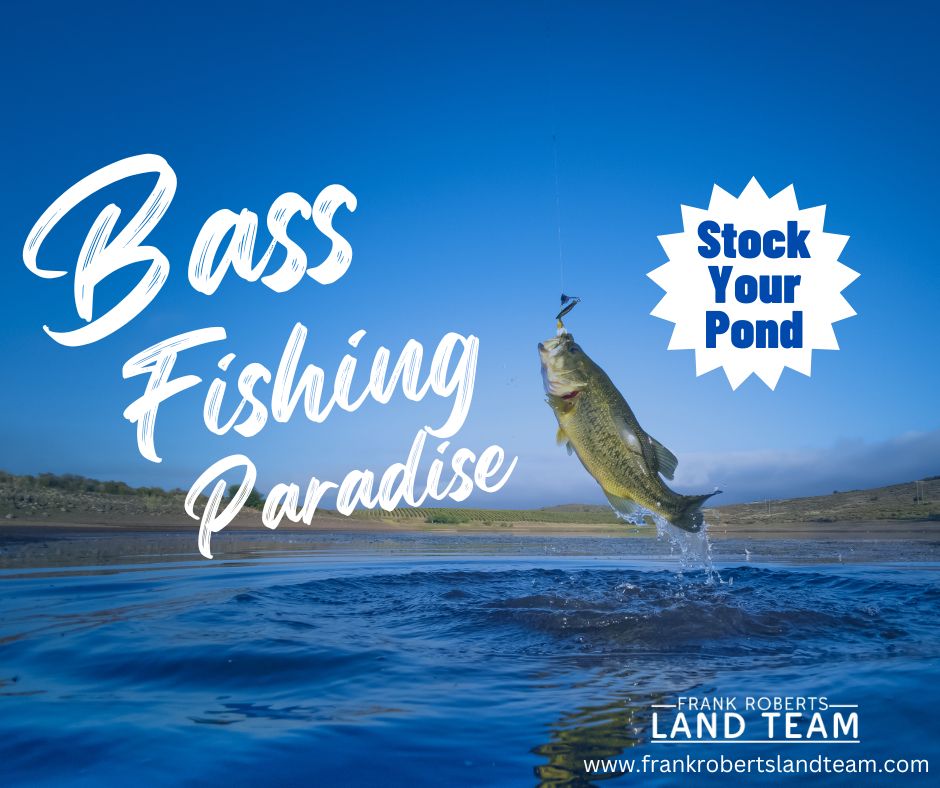
Stocking a pond with bass, particularly largemouth bass, can turn your property into a thriving recreational haven. Whether you’re a fishing enthusiast or just want to enhance your land’s value and beauty, here’s everything you need to know about creating a balanced and healthy ecosystem for bass in your pond.
Size and Depth: Ensure your pond is at least 1 acre in size and 8-10 feet deep. This provides adequate habitat and temperature regulation for bass to thrive.
Water Quality: Test your water for pH (ideally 6.5-8.5), dissolved oxygen (above 5 ppm), and clarity. Good water quality is crucial for the health and growth of your fish.
Structure and Cover: Bass need hiding spots and structures such as submerged logs, rocks, aquatic vegetation, and artificial structures. These provide essential cover and hunting grounds for your bass.
Vegetation Management: Maintain 10-20% vegetation cover in your pond. This offers habitat benefits without excessive weed growth that can hinder fishing and fish movement.
Largemouth Bass: These are the most popular choice for ponds due to their aggressive nature and excellent growth potential.
Smallmouth Bass: While they prefer cooler, clearer waters and rocky habitats, they are usually not recommended for typical pond environments.
Bluegill: Essential forage fish for bass, typically stocked at a rate of 1,000-1,500 per acre to provide a steady food supply.
Fathead Minnows: Serve as an initial food source for young bass, typically stocked at 2-3 pounds per acre.
Other Forage Species: Consider redear sunfish or threadfin shad to diversify the food supply for your bass.
Bass Stocking Rates: Typically, stock 100-150 largemouth bass fingerlings per acre to establish a balanced ecosystem.
Timing: Stock forage fish in the fall or early spring, allowing them to establish before introducing bass in late spring or early summer.
Supplemental Feeding: Enhance growth rates and overall health by feeding forage fish with high-protein fish feed.
Monitoring Growth: Regularly monitor the growth and health of your bass population, adjusting feeding and management practices as necessary.
Population Control: Regularly harvest bass to prevent overpopulation, which can lead to stunted growth. Aim to remove 20-30% of the bass population annually.
Water Quality Maintenance: Continue monitoring and maintaining water quality to support a healthy fish population.
Habitat Enhancement: Periodically add new structures and manage vegetation to maintain an optimal habitat for bass growth and reproduction.
Permits and Regulations: Ensure you check local regulations and obtain any necessary permits for stocking and managing fish in your pond.
Stocking a pond for bass is a rewarding process that requires careful planning and ongoing management. By creating a balanced ecosystem with adequate forage fish, habitat, and water quality, you can enjoy a thriving bass population for years to come.
Transform your property into a serene oasis and enhance its value by following these guidelines. For a more detailed guide on pond construction and fish stocking, check out our latest blog post here.
Feel free to reach out if you have any questions or need assistance with your pond project!
Interested in properties with existing water features or looking to build your own? Contact us today to find your dream land!

Frank Roberts is a uniquely trained Broker Associate who specializes in the listing and sales of land in East Texas near the Dallas-Ft. Worth area. Located only 30 miles east of Dallas, he consistentl....
Kay Szymanski | Oct. 9, 2024Say someone dies and leaves behind land without a will or other legal document. Sometimes, things can get, well, a little "cloudy." That's what a clouded property title.
ETJ Texas ExplainedIf you're buying land, developing property, or investing in commercial real estate in Texas, you've probably heard the term ETJ.For many landowners, ETJ status can
When purchasing land, most buyers focus on location, acreage, price, and views. While those are certainly important, one of the most critical factors is often overlooked until it's too late: Where
Is Summer the Best Time to Buy Land in Texas?When it comes to purchasing land, timing can play an important role in finding the right property. While many buyers focus their search during the,
 © 2026 North Texas Real Estate Information Systems, Inc. All rights reserved. Disclaimer: All information deemed reliable but not guaranteed and should be independently verified. All properties are subject to prior sale, change or withdrawal. Neither listing broker(s) nor Frank Roberts Land Team shall be responsible for any typographical errors, misinformation, misprints and shall be held totally harmless. The database information herein is provided from and copyrighted by the North Texas Real
Estate Information Systems, Inc. NTREIS data may not be reproduced or redistributed and is only for people viewing this site. All information provided is deemed reliable but is not guaranteed and should be independently verified. The advertisements herein are merely indications to bid and are not offers to sell which may be accepted. All properties are subject to prior sale or withdrawal. All rights are reserved by copyright.
Data last updated: September 16, 2026 5:23 PM UTC
Show More...
© 2026 North Texas Real Estate Information Systems, Inc. All rights reserved. Disclaimer: All information deemed reliable but not guaranteed and should be independently verified. All properties are subject to prior sale, change or withdrawal. Neither listing broker(s) nor Frank Roberts Land Team shall be responsible for any typographical errors, misinformation, misprints and shall be held totally harmless. The database information herein is provided from and copyrighted by the North Texas Real
Estate Information Systems, Inc. NTREIS data may not be reproduced or redistributed and is only for people viewing this site. All information provided is deemed reliable but is not guaranteed and should be independently verified. The advertisements herein are merely indications to bid and are not offers to sell which may be accepted. All properties are subject to prior sale or withdrawal. All rights are reserved by copyright.
Data last updated: September 16, 2026 5:23 PM UTC
Show More...
